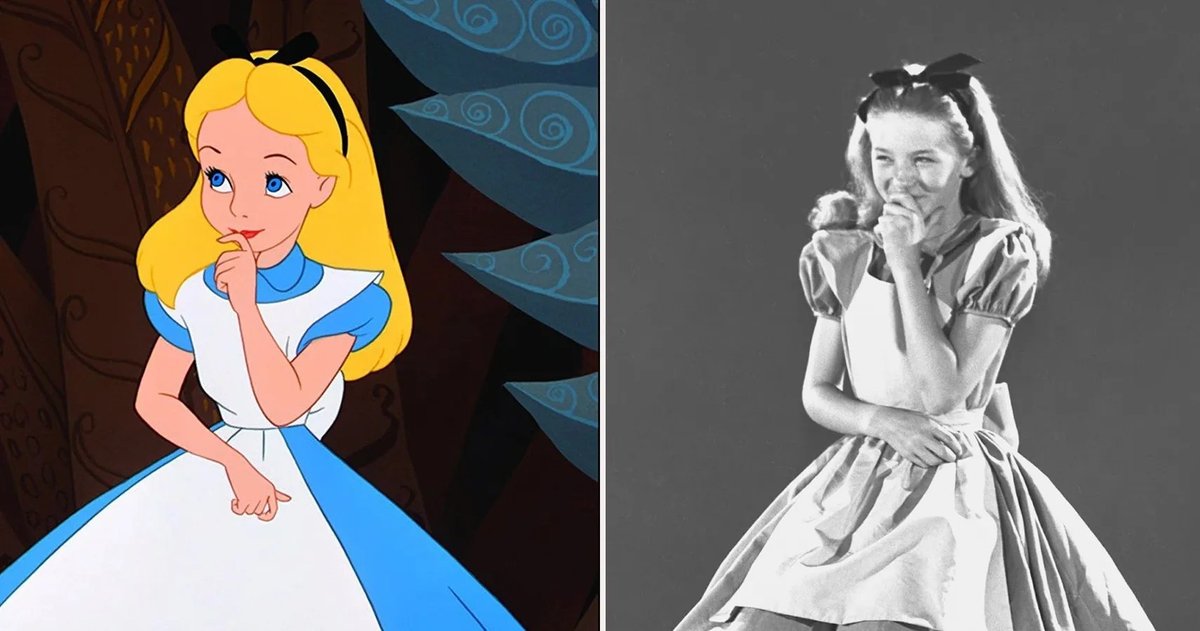
The moment a beloved character speaks, something magical happens. A personality springs to life, emotions resonate, and a bond forms, often without us ever seeing the performer behind the microphone. This intricate dance between the Cast, Characters & Voice Actors is the hidden engine of modern storytelling, a vital collaboration that elevates good narratives to unforgettable experiences. But what exactly goes into this invisible artistry, and who are the unsung heroes bringing these roles to vibrant existence?
At a Glance: Unpacking the Art of Voice
- Voice acting is a specialized craft: It requires a unique blend of vocal control, emotional depth, and acting prowess, often without the benefit of visual cues.
- Characters are born from collaboration: Writers, directors, and voice actors all contribute to shaping a character's identity and resonance.
- The casting process is meticulous: Finding the perfect voice involves extensive auditions, considering range, tone, and character alignment.
- Voice actors are integral to diverse media: From animation and video games to audiobooks and commercials, their work is ubiquitous.
- Technology is changing the landscape: Home studios and AI present both opportunities and challenges for the industry.
- Appreciation for voice talent is growing: The industry increasingly recognizes the profound impact voice actors have on audience engagement.
The Invisible Artistry: Why Voice Acting Matters So Much
Think about your favorite animated hero, the menacing villain from a video game, or even the calm voice guiding you through a podcast. What unites these diverse experiences isn't just their script or visual design; it's the sheer power of the human voice behind them. Voice acting is far more than simply reading lines into a microphone; it's an immersive performance where every nuance, every breath, every inflection must convey an entire spectrum of emotion and intent.
Unlike live-action roles where body language, facial expressions, and costumes complete the picture, a voice actor relies solely on their vocal instrument to build a character from the ground up. They embody the character's age, personality, history, and even their physical presence through sound alone. This intense focus on vocal performance demands incredible skill and sensitivity, transforming mere words into a living, breathing entity that audiences worldwide connect with.
Deconstructing the Ensemble: Cast & Characters Defined
Before a single line is spoken, characters exist as concepts, outlines, or fully fleshed-out biographies within a script. The "cast" then refers to the collective group of performers — both seen and unseen — who will ultimately embody these roles. Understanding this foundational relationship is key to appreciating the magic of the final product.
Beyond the Script: Crafting a Character's Soul
Every character, from the most minor walk-on to the central protagonist, begins on paper. Writers imbue them with traits, backstories, and motivations. However, a character truly comes alive when an actor steps in. For voice actors, this involves a profound leap of imagination. They must internalize the character's essence, understanding not just what they say, but why they say it, how they feel, and who they are.
This interpretive dance between writer's vision and actor's interpretation is crucial. A skilled voice actor can uncover subtleties in dialogue, add depth to seemingly simple lines, and bring a unique vocal signature that makes a character instantly recognizable and deeply resonant. This collaboration ensures that even a character designed for comedy can carry an underlying layer of pathos, or a hero can reveal moments of genuine vulnerability through their tone.
Building the World: How Casts Intersect
A cast isn't just a collection of individuals; it's an ecosystem. Main characters drive the plot, but supporting roles often provide crucial context, comic relief, or emotional anchors. In ensemble productions, particularly in animated series or video games, the dynamic between the voice actors themselves can profoundly influence the chemistry between their characters.
Directors and casting agents carefully select voices that not only fit individual characters but also complement each other within the overall sonic landscape. Imagine a world where all the characters sound similar, or where voices clash incongruously. The careful orchestration of vocal types and energies is what creates a cohesive and believable auditory world, allowing audiences to fully immerse themselves in the story.
The Unsung Heroes: Meet the Voice Actors
They are chameleons of sound, capable of shifting accents, ages, and even species with remarkable ease. Voice actors are the literal voices of our entertainment, yet often remain anonymous to the general public. Their work is a testament to the power of pure performance, unburdened by the visual demands of traditional acting.
What It Takes: Skills of a Stellar Voice Actor
The demands of voice acting are rigorous and multifaceted. It's not enough to simply have a "nice voice." Top-tier voice actors possess an extraordinary array of skills:
- Vocal Range and Control: The ability to perform multiple character types, from children to seniors, heroes to monsters, and maintain precise control over pitch, pace, and volume.
- Emotional Intelligence: Conveying complex emotions—joy, sorrow, fear, anger—solely through vocal delivery, making them believable and impactful.
- Stamina and Endurance: Recording sessions can be long and physically demanding, requiring sustained vocal effort and emotional intensity for hours.
- Improvisation and Adaptability: Often, actors need to ad-lib, react to unexpected changes, or interpret vague directions on the fly.
- Microphone Technique: Understanding how to work with a microphone to achieve desired effects, clarity, and consistency.
- Script Analysis: Breaking down scripts to understand character motivations, subtext, and pacing.
- Acting Foundation: Many voice actors come from a background in theater or on-screen acting, bringing a deep understanding of character development and scene work.
From the booming trailer announcer to the quirky animation lead, or even the nuanced performances in a game like alvin and the chipmunks chipwrecked, the breadth of work available to skilled voice artists is vast and diverse. Each genre presents its own unique challenges and opportunities for vocal expression.
The Casting Process: Finding the Perfect Voice
Finding the right voice for a character is an art in itself, a meticulous process driven by a project's creative vision and practical constraints. It begins long before the actor steps into the booth.
- The Character Brief: Directors, writers, and producers develop a detailed profile for each character, outlining their personality, background, vocal requirements (e.g., age range, accent, specific qualities like gruff or ethereal), and even their emotional journey.
- Auditions and Demos: Voice actors submit demo reels showcasing their range and specializations. For specific roles, they'll audition, recording lines provided by the production team. These initial takes are critical in demonstrating how an actor can embody the character's spirit.
- Callbacks: Promising candidates are invited for callbacks, often performing alongside other actors to test chemistry or taking direction to see how adaptable they are. This stage is crucial for fine-tuning the vocal performance to meet the director's precise vision.
- Director's Vision: Ultimately, the director makes the final decision, often prioritizing how a voice not only sounds but how it feels and how well it integrates into the overall narrative and tone of the project. Sometimes, a director might have a specific actor in mind, but more often, it's about finding the ideal fit from a pool of incredibly talented individuals.
A Deeper Dive: Iconic Roles and Their Vocal Architects
Some voices become synonymous with the characters they portray, etching themselves into our collective memory. Think of the instantly recognizable growl of a certain caped crusader or the playful mischief of a beloved cartoon mouse. These are not accidental pairings; they are the result of voice actors fully inhabiting their roles, often for decades.
Take, for instance, the challenge of portraying a mischievous, musically-inclined chipmunk. It's not just about a high pitch; it's about conveying personality, rebellion, and a distinct vocal flavor that makes them instantly endearing or exasperating. The actors behind these roles don't just mimic a voice; they give it a soul, a consistent character arc, and a connection that transcends the animation. The longevity of these characters often depends as much on the consistency and talent of their voice actors as it does on their visual design.
The challenge intensifies when iconic voices need to be replaced, whether due to an actor's retirement, passing, or other circumstances. Fans often have a deep emotional attachment to original performances, and a new actor stepping into those shoes faces immense pressure to honor the legacy while also bringing their own unique flair. It's a testament to the original vocal architect's profound impact that their absence is felt so keenly, and a tribute to the new actor's skill when they manage to win over skeptical audiences.
Beyond the Booth: The Industry Landscape
The world of voice acting is dynamic, constantly evolving with technological advancements, shifting media landscapes, and growing recognition for the craft.
Technological Shifts: Home Studios and AI
The rise of affordable, high-quality recording equipment has led to a proliferation of professional home studios. This empowers voice actors with greater autonomy, allowing them to record auditions and even full projects remotely, expanding their reach beyond traditional urban hubs. However, it also means a more competitive market and the need for actors to be proficient in audio engineering basics.
More recently, artificial intelligence has entered the conversation. AI-generated voices are becoming increasingly sophisticated, raising questions about intellectual property, fair compensation, and the future of human voice talent. While AI can replicate voices and generate speech efficiently for certain applications (like navigation or automated customer service), the nuanced emotional depth, improvisational skill, and unique interpretive artistry of human voice actors remain largely irreplaceable, particularly in complex character work. The industry is actively grappling with how to integrate and regulate this technology responsibly, ensuring that human talent continues to be valued and protected.
Recognition and Respect: The Growing Appreciation for Voice Talent
For decades, voice actors often worked in relative anonymity. However, with the explosion of animated films, video games, and audio dramas, the profile of voice talent has risen dramatically. Conventions celebrating voice actors draw massive crowds, and social media allows fans to connect directly with their favorite performers.
This shift reflects a broader understanding of the profound impact these artists have on storytelling. Critics and audiences alike now routinely praise vocal performances in animation and gaming, recognizing them as integral to a project's success. Industry awards and increasing media coverage further highlight the specialized skills and artistry involved, dispelling the misconception that voice acting is a lesser form of performance. Sources like BehindTheVoiceActors.com exemplify this trend, offering a comprehensive, interactive database where fans can not only see who voiced whom but also listen to sound clips and discover the range of their favorite actors. This visual and audible experience reinforces the connection between performer and character, making the invisible artistry tangible.
Common Myths & Misconceptions About Voice Acting
Despite its growing recognition, voice acting is still subject to several common misunderstandings. Dispelling these myths helps to highlight the true professionalism and dedication required.
"It's easy money if you have a 'good voice'."
This is perhaps the most pervasive myth. While a pleasant or distinctive voice can be an asset, it's just the starting point. Voice acting is hard work, requiring extensive training, relentless practice, business acumen, and resilience in the face of frequent rejection. It demands precise technical skills, an understanding of acting, and the ability to interpret and deliver a director's vision under pressure. Furthermore, while top-tier actors can earn significant incomes, the vast majority work diligently to build a sustainable career, often juggling multiple smaller gigs.
"Voice actors aren't 'real' actors."
This misconception couldn't be further from the truth. Many voice actors are classically trained performers with backgrounds in theatre, film, and television. The fundamental principles of acting—character development, emotional truth, motivation, and storytelling—are just as vital in a recording booth as they are on a stage or film set. In fact, voice actors often face a greater challenge by having to convey all these elements without the aid of physical presence or visual cues. Their artistry is pure, unadulterated performance.
"You just read lines."
If only it were that simple! "Reading lines" implies a flat, uninspired delivery. Voice actors don't just read; they perform. They infuse each word with meaning, emotion, and character. This often involves intricate timing, vocal effects (like screams, whispers, or character-specific sounds), and maintaining energy and consistency across multiple takes and sometimes over years of production. It's a highly interpretative and physically demanding process that goes far beyond mere recitation.
Your Journey into the World of Voice
From the iconic animated characters that shaped your childhood to the immersive narratives of today's video games, the interplay between Cast, Characters & Voice Actors is a foundational element of how we consume stories. The next time you watch a film, play a game, or listen to an audiobook, take a moment to appreciate the incredible talent behind the voices.
Actively listen to how different voices bring distinct personalities to life, how a subtle shift in tone can convey a wealth of unspoken emotion, or how an actor's range allows them to portray vastly different roles across various productions. You'll begin to notice the nuances that make these performances so compelling. Explore resources like BehindTheVoiceActors.com to put faces and names to the voices you love, diving deeper into their filmographies and discovering the breadth of their work. This journey of appreciation will undoubtedly deepen your enjoyment of the media you consume, revealing the rich, vibrant world of artistry that often remains just beyond sight, but always within earshot.